Understanding the Impact of Technology on Elderly Care: A Guide for Families


Introduction to Technology in Elderly Care
Technology is rapidly transforming the way we approach elderly care, offering innovative solutions to improve the quality of life for seniors. From health monitoring to social connectivity, technology offers tools that make caregiving more efficient and effective. Understanding these advancements can empower families to make informed decisions for their loved ones.

Health Monitoring and Management
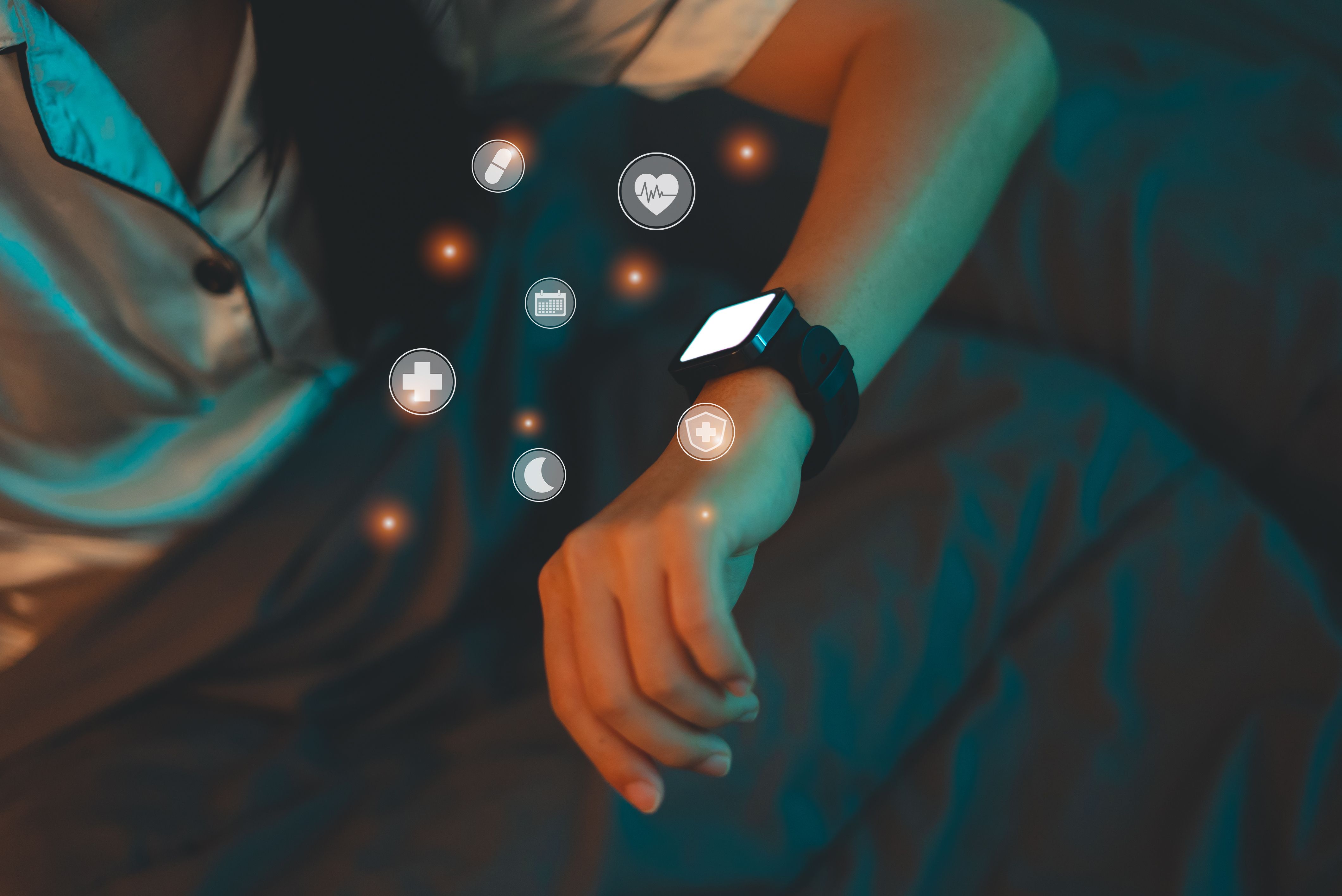
One of the most significant impacts of technology on elderly care is in health monitoring. Wearable devices, such as smartwatches, can track vital signs like heart rate and blood pressure. These devices alert caregivers and medical professionals to potential health issues before they become serious.
Additionally, telemedicine has become a vital resource, enabling seniors to consult with healthcare providers from the comfort of their homes. This reduces the need for frequent in-person visits, which can be challenging for those with mobility issues.
Medication Management
For many seniors, managing multiple medications can be a daunting task. Technology offers solutions like automated pill dispensers and medication reminder apps to ensure proper adherence to prescribed regimens. These tools help prevent medication errors and ensure that seniors receive their necessary treatments on time.
Enhancing Social Connectivity
Isolation and loneliness are common challenges faced by the elderly. Technology bridges this gap by providing platforms for communication and interaction. Social media, video calls, and messaging apps allow seniors to stay connected with family and friends, fostering a sense of belonging and community.

Virtual Communities
Beyond personal connections, technology enables seniors to engage in virtual communities and interest-based groups. These platforms offer opportunities for learning, sharing experiences, and participating in events, promoting mental stimulation and emotional well-being.
Safety and Security Measures
Safety is a top priority in elderly care, and technology provides innovative solutions to address it. Smart home devices, such as motion sensors and automated lighting, enhance home safety by preventing accidents and falls.
Additionally, GPS-enabled devices offer peace of mind to families by allowing them to track the location of their loved ones, especially beneficial for those with memory impairments or who are prone to wandering.

Emergency Response Systems
Emergency response systems have evolved to include wearable alert devices that seniors can activate in case of an emergency. These systems ensure that help is just a button press away, providing security and confidence for both seniors and their caregivers.
Conclusion: Embracing the Future of Elderly Care
The integration of technology into elderly care is not just a trend but a necessity. It offers practical solutions to common challenges faced by seniors and their families, enhancing health, safety, and connectivity. By embracing these technological advancements, families can provide better care and support for their elderly loved ones.