The Impact of Technology Integration on Senior Independence


Understanding Senior Independence
As the global population ages, maintaining independence becomes a crucial aspect of senior living. Independence is not just about living alone; it's about having the ability to make choices, manage daily activities, and maintain a quality of life that aligns with personal preferences. For many seniors, the integration of technology plays a pivotal role in supporting these goals.
Technological advances can empower seniors to live more independently by offering solutions that cater to their unique needs. From health monitoring to communication tools, technology provides a bridge to greater autonomy and peace of mind for both seniors and their families.
Health Monitoring and Management
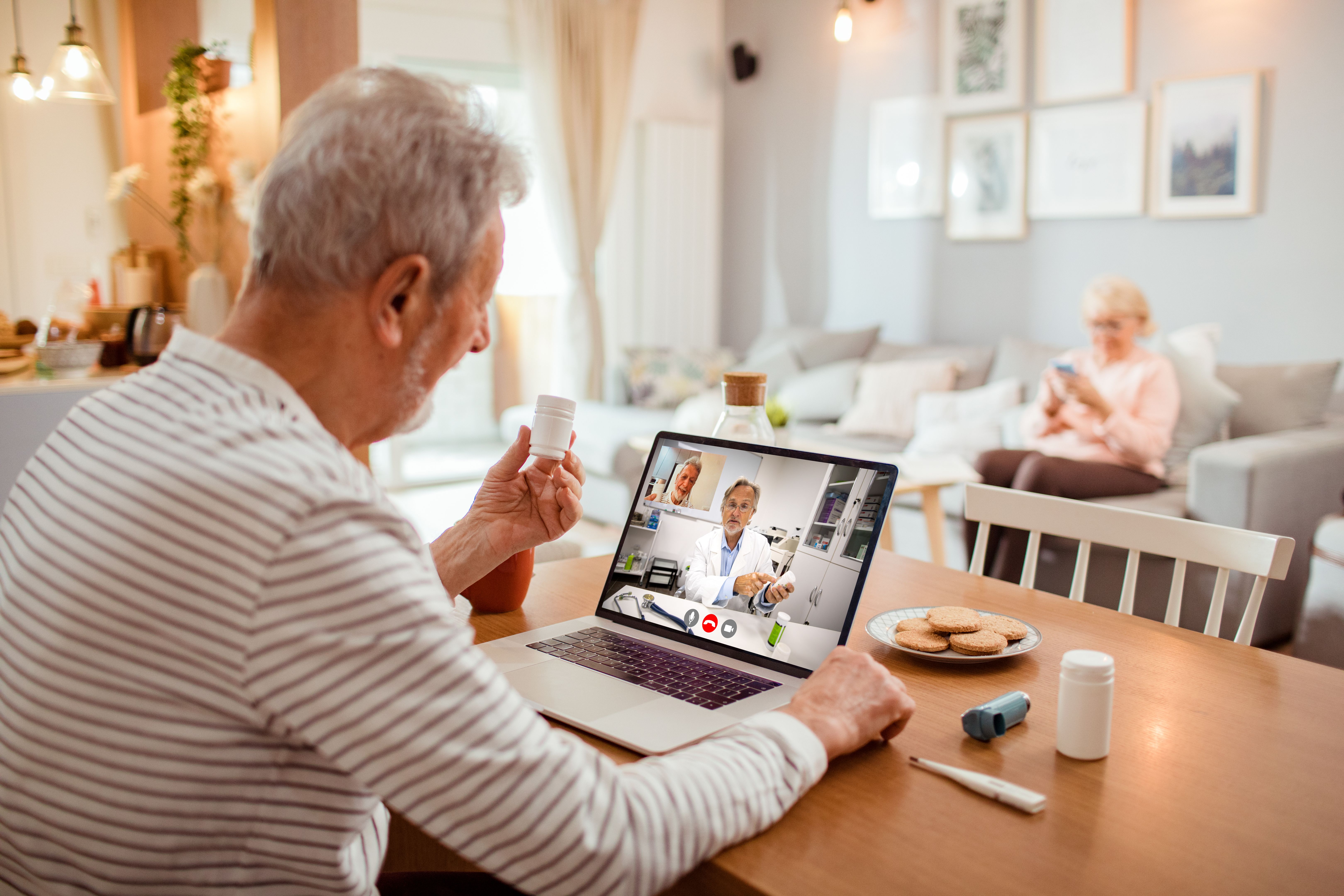
One of the most significant areas where technology has made an impact is health monitoring. Devices such as smartwatches and fitness trackers are no longer just for the young; they provide seniors with vital health data like heart rate, steps taken, and sleep patterns. This information can be easily shared with healthcare providers, enabling timely interventions.
Additionally, telemedicine has become increasingly popular, allowing seniors to consult with healthcare professionals from the comfort of their homes. This reduces the need for travel and provides access to specialists who may not be locally available. These technological innovations can significantly enhance a senior's ability to manage their health independently.
Enhancing Communication
Isolation is a common issue among seniors, often leading to feelings of loneliness and depression. Technology offers solutions that help bridge communication gaps between seniors and their loved ones. Video calling platforms like Zoom or Skype have become essential tools for maintaining relationships without the need for physical presence.

Furthermore, social media platforms tailored specifically for seniors are gaining traction. These platforms offer user-friendly interfaces designed to provide a safe space for seniors to connect with peers and family members, share experiences, and stay informed about community events.
Smart Home Technology
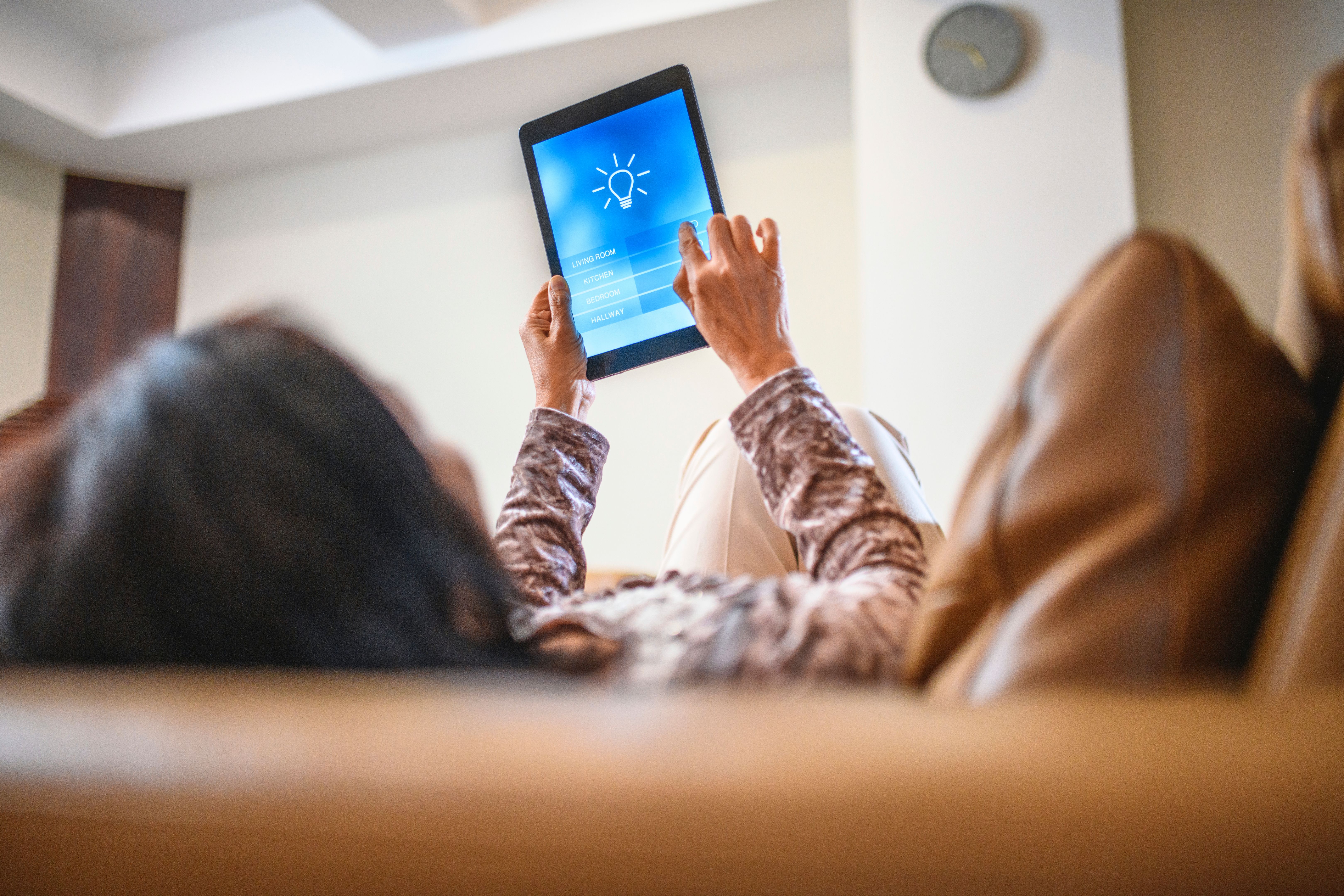
Smart home devices are revolutionizing how seniors interact with their living spaces. Voice-activated assistants like Amazon's Alexa or Google Home allow seniors to control various household functions such as lighting, temperature, and security systems with simple voice commands.
Moreover, smart appliances ensure safety by alerting users if they have left the stove on or forgotten to lock doors. Such technologies not only enhance security but also help seniors maintain independence by simplifying daily tasks and reducing the reliance on caregivers.
The Role of Wearables
Wearables are another technological advancement supporting senior independence. Beyond fitness tracking, wearables can include fall detection features that automatically alert emergency contacts if a fall is detected. This feature provides peace of mind for both seniors and their families, knowing that help is just a notification away.
Innovative wearables also include GPS tracking capabilities, which are particularly beneficial for seniors with memory issues or those prone to wandering. By integrating such technology into their daily lives, seniors can enjoy greater freedom while ensuring safety.
Challenges and Considerations
Despite the benefits, integrating technology into the lives of seniors comes with challenges. Issues such as digital literacy, affordability, and privacy concerns need to be addressed. Many seniors may feel overwhelmed by new technologies or fear losing control over their personal information.
To overcome these barriers, it is essential to provide education and support tailored to seniors' needs. Simplifying user interfaces and offering personalized training can make technology more accessible and less intimidating for older adults.
The Future of Senior Independence
The future of senior independence is closely tied to ongoing technological advancements. As innovations continue to evolve, they will likely become more intuitive and seamlessly integrated into everyday life. This progress holds great promise for enhancing the autonomy and well-being of seniors worldwide.
By embracing technology, society can create an environment where seniors feel empowered to live life on their terms, confidently navigating the challenges of aging while remaining connected to the world around them.