The Future of Assisted Living: Embracing Technological Advancements


The landscape of assisted living is undergoing a profound transformation, driven by rapid technological advancements. These changes are poised to redefine how care is delivered, enhancing the quality of life for residents and offering peace of mind for families. As we look to the future, it’s essential to understand how technology is shaping the way we think about assisted living.
One of the most significant developments in assisted living is the integration of smart home technologies. These innovations provide convenience and safety, allowing residents to maintain independence while ensuring their well-being. From voice-activated assistants that help manage daily tasks to automated lighting and temperature controls, smart homes are becoming an integral part of assisted living communities.

Remote Health Monitoring
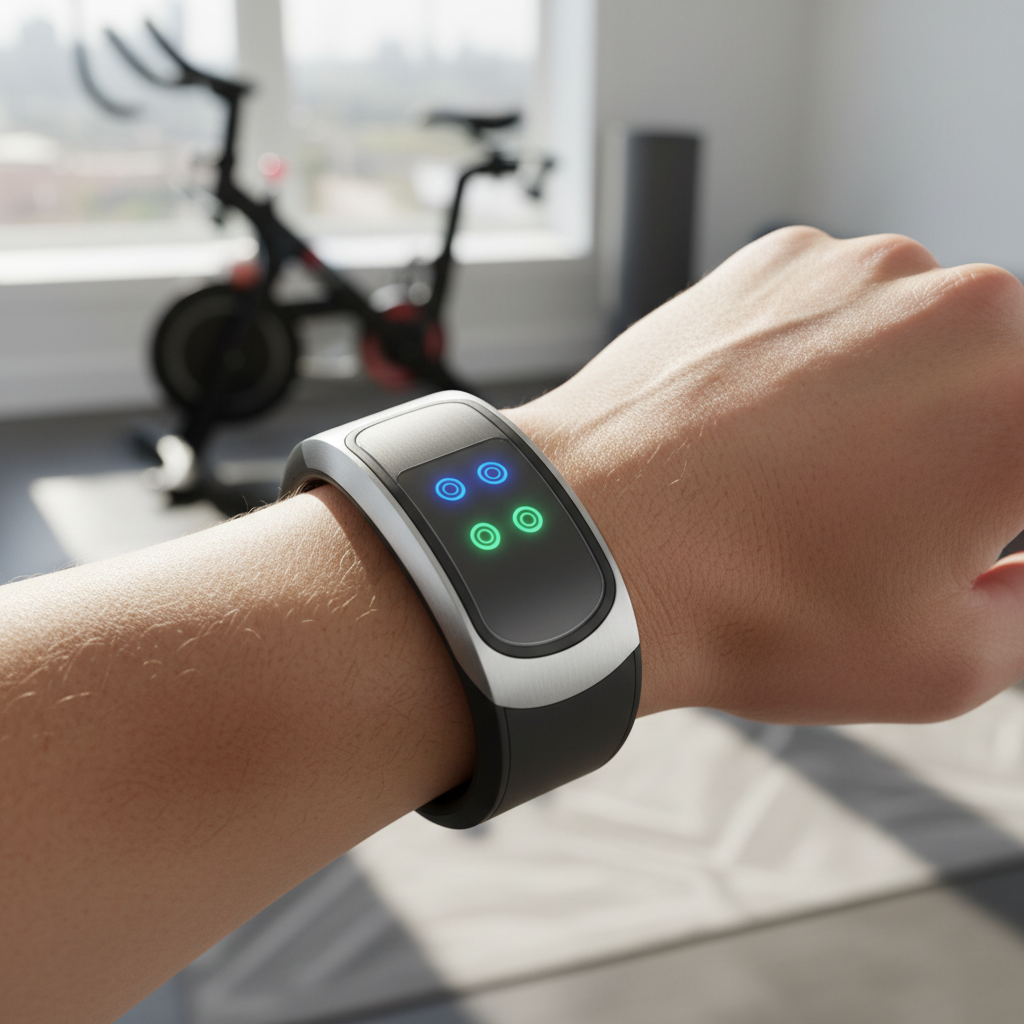
Remote health monitoring is another key area where technology is making a substantial impact. Wearable devices and sensors allow healthcare providers to collect real-time data on residents' health. This enables early detection of potential health issues, allowing for timely interventions and reducing the need for hospital visits.
These devices can track vital signs, detect falls, and even monitor medication adherence. By providing continuous health data, caregivers can offer personalized care tailored to each resident’s unique needs. This technology not only improves health outcomes but also enhances the overall quality of life for residents.
Virtual Reality and Social Connectivity
Virtual reality (VR) is emerging as a powerful tool to combat loneliness and enhance social connectivity among assisted living residents. VR experiences can transport individuals to different places, offering opportunities for exploration and social interaction that might otherwise be inaccessible.
Furthermore, video conferencing platforms have become essential in maintaining connections with family and friends. These technologies ensure that residents can engage with their loved ones, participate in virtual events, and remain socially active despite physical limitations.

Robotics and Automation
Robotics is also playing a crucial role in the future of assisted living. Robots can assist with various tasks, from delivering meals to providing companionship. These innovations help reduce the workload on staff, allowing caregivers to focus on more personalized aspects of care.
Additionally, automated systems can handle routine tasks such as cleaning and laundry, making daily life easier for both residents and staff. As these technologies become more advanced, they will continue to enhance efficiency and improve the quality of care in assisted living facilities.
Data Security and Ethical Considerations
While the benefits of technology in assisted living are clear, it’s crucial to address data security and ethical considerations. Protecting residents' personal information and ensuring ethical use of technology are paramount. Assisted living facilities must implement robust security measures to safeguard sensitive data and maintain trust.
As we embrace these technological advancements, it’s essential to balance innovation with privacy and ethical considerations, ensuring that technology serves as a tool for empowerment rather than intrusion.
In conclusion, the future of assisted living is bright with the promise of technological advancements. By embracing these innovations, we can create environments that promote independence, enhance well-being, and offer residents a higher quality of life. As technology continues to evolve, it will undoubtedly play an increasingly vital role in shaping the future of assisted living.