Seasonal Preparation for Assisted Living Residents: A Phoenix Guide

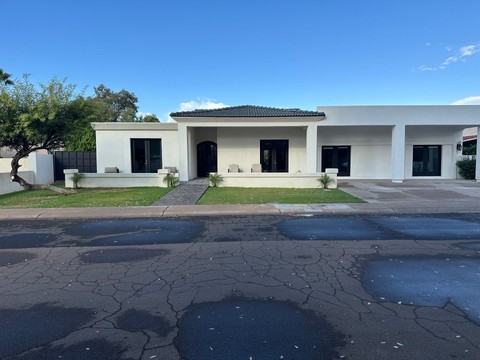
As the seasons change in Phoenix, it's crucial to prepare assisted living residents for the unique weather patterns and activities each season brings. From the scorching summer sun to the mild winter months, understanding how to adjust can enhance comfort and health for residents.

Preparing for the Summer Heat
Summer in Phoenix is known for its extreme temperatures, often reaching over 100°F. To ensure residents remain comfortable and safe, consider implementing several key strategies. First, ensure that air conditioning systems are regularly maintained and running efficiently. This is crucial for preventing heat-related illnesses.
Hydration is another essential aspect during the summer months. Encourage residents to drink plenty of water throughout the day. Providing flavored water or hydrating foods like watermelon can make this easier and more enjoyable.

Adjusting Outdoor Activities
While outdoor activities are beneficial, they should be scheduled during cooler parts of the day, such as early morning or late evening. It's also important to offer shaded areas and sunscreen to protect against UV rays.
Embracing the Mild Winters
Phoenix winters are mild compared to many parts of the country, but they can still pose challenges. Ensuring residents have access to warm clothing is essential, especially during cooler nights. Layering clothing is a practical approach to managing fluctuating temperatures.

Indoor activities can be a great way to keep residents engaged during the winter months. Consider organizing group activities like arts and crafts, movie nights, or book clubs to foster social interaction and mental stimulation.
Supporting Mental Well-being
Seasonal changes can impact mood and mental health. Offering programs focused on mental well-being, such as meditation or yoga, can help residents maintain a positive outlook. Encouraging family visits and social gatherings is also beneficial for emotional health.
Spring and Fall Transitions
Spring and fall offer more moderate weather, allowing for a wider range of outdoor activities. These seasons are perfect for organizing gardening clubs or nature walks, which can be both relaxing and revitalizing for residents.

During these transitional periods, monitoring allergens is important, especially for residents with respiratory issues. Keeping living areas clean and free from pollen can help mitigate allergies.
Nutritional Adjustments
As the seasons change, so do dietary needs. Incorporating seasonal fruits and vegetables into meals not only provides essential nutrients but also adds variety to residents' diets. Collaborate with nutritionists to create menus that reflect seasonal availability and preferences.
By proactively preparing for each season, assisted living communities in Phoenix can enhance the quality of life for their residents, ensuring they remain comfortable, healthy, and engaged throughout the year.