Innovative Eldercare Solutions: Current Trends in Assisted Living

Introduction to Innovative Eldercare Solutions
The landscape of eldercare is rapidly evolving, driven by technological advancements and changing societal needs. As the population ages, there's a growing demand for innovative solutions in assisted living that cater to the diverse needs of seniors. This post explores the current trends shaping this vital sector.

Smart Home Technology
Smart home technology is revolutionizing assisted living by providing seniors with enhanced safety and convenience. Devices such as smart thermostats, lighting systems, and security cameras can be controlled remotely, allowing caregivers and family members to monitor and assist from afar. These technologies not only ensure comfort but also promote independence for seniors.
Wearable Devices
Wearable technology, including smartwatches and health monitors, is playing a crucial role in eldercare. These devices track vital signs, detect falls, and send alerts to caregivers in emergencies. By facilitating real-time health monitoring, wearables empower seniors to live independently while providing peace of mind to their families.

Personalized Care Plans
Today's assisted living facilities are increasingly focused on personalized care plans. These plans are tailored to meet the unique needs of each resident, considering their health conditions, preferences, and lifestyle. Personalized care enhances the quality of life and ensures that seniors receive the support they need.
Holistic Wellness Programs
Holistic wellness programs are becoming a staple in modern assisted living communities. These programs encompass physical, mental, and emotional well-being, offering activities like yoga, meditation, and art therapy. By fostering a holistic approach, facilities can improve overall resident satisfaction and health outcomes.

Innovative Architectural Designs
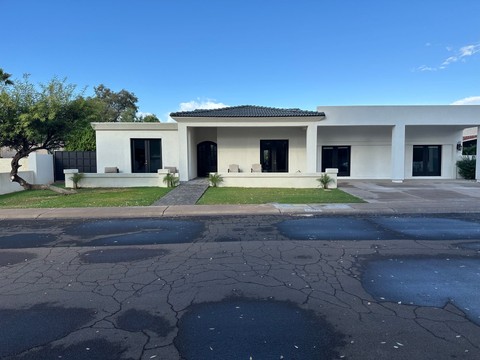
Assisted living facilities are embracing innovative architectural designs to create more comfortable and accessible spaces. Features such as wider doorways, step-free entrances, and accessible bathrooms are now standard. These designs aim to accommodate the mobility needs of seniors, enhancing their autonomy and safety.
Community Integration
Modern eldercare solutions emphasize community integration, encouraging seniors to participate in local events and activities. Some facilities partner with local organizations to offer cultural, educational, and recreational opportunities. This approach helps seniors stay connected and engaged with the broader community.

Conclusion
The future of eldercare is bright, with innovative solutions paving the way for improved assisted living experiences. From technology-driven care to personalized wellness programs, these trends demonstrate a commitment to enhancing the quality of life for seniors. By staying informed and embracing these advancements, families and caregivers can ensure that seniors receive the best possible care.