How Technology is Transforming Assisted Living Facilities


The Role of Technology in Modernizing Assisted Living Facilities
In recent years, technology has significantly reshaped the landscape of assisted living facilities. These advancements are not just about improving operational efficiency but are also focused on enhancing the quality of life for residents. From smart devices to telemedicine, technology is making a profound impact.
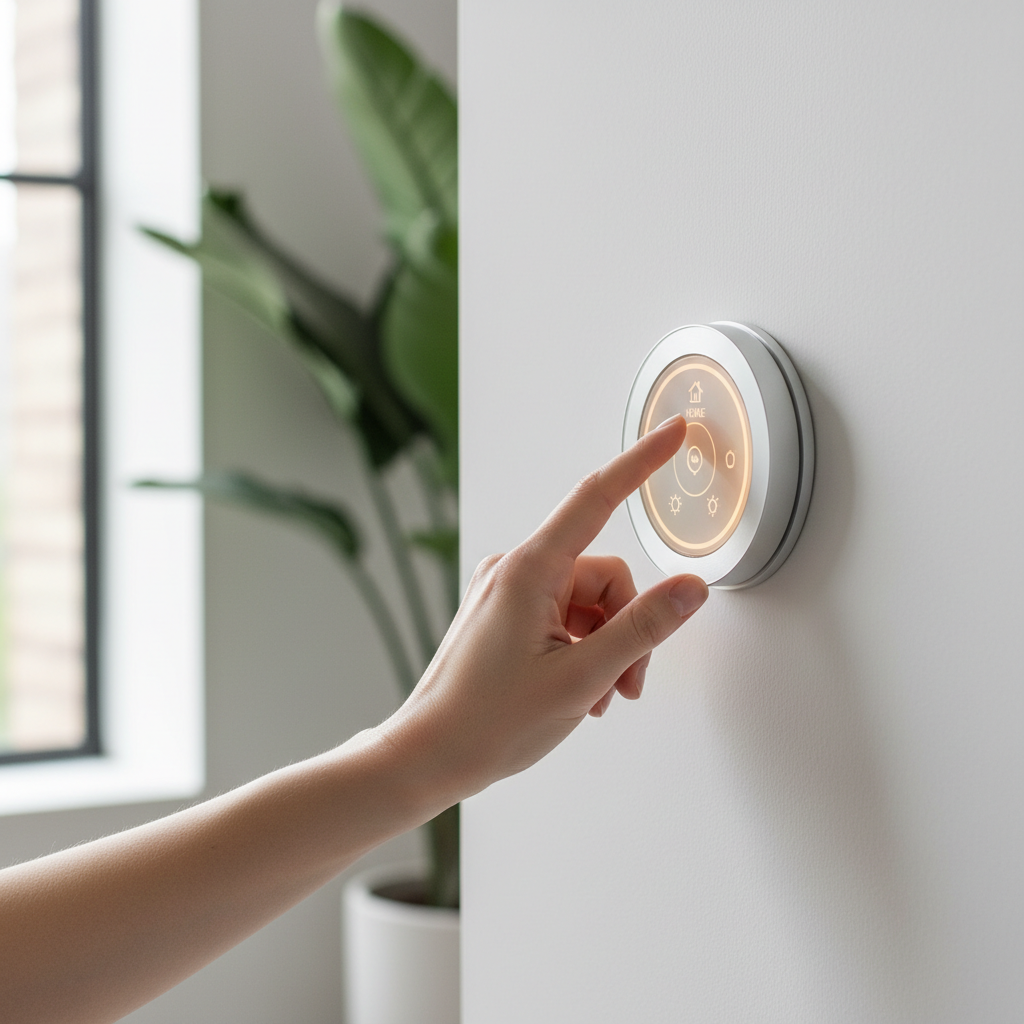
Smart Home Solutions
One of the most significant changes in assisted living facilities is the integration of smart home technology. Devices such as voice-activated assistants, smart thermostats, and automated lighting systems are being used to create a more comfortable and accessible environment for residents. These technologies empower individuals by providing more control over their immediate surroundings, fostering independence and convenience.
Moreover, smart wearables are being utilized to monitor residents' health metrics in real-time. These devices can track heart rate, sleep patterns, and even detect falls, allowing for quick intervention by healthcare providers. This proactive approach can help in preventing health issues before they escalate.
Telemedicine and Virtual Care
Telemedicine has become a cornerstone in the evolution of healthcare in assisted living facilities. With the ability to consult with healthcare professionals remotely, residents receive timely medical attention without the need to travel. This not only reduces stress and inconvenience but also ensures that medical care is accessible even during emergencies or lockdowns.

Virtual care platforms also facilitate regular check-ins and follow-ups, ensuring that residents adhere to their prescribed treatment plans. This continuous care model is crucial for managing chronic conditions and maintaining overall health and wellness.
Enhanced Safety and Security
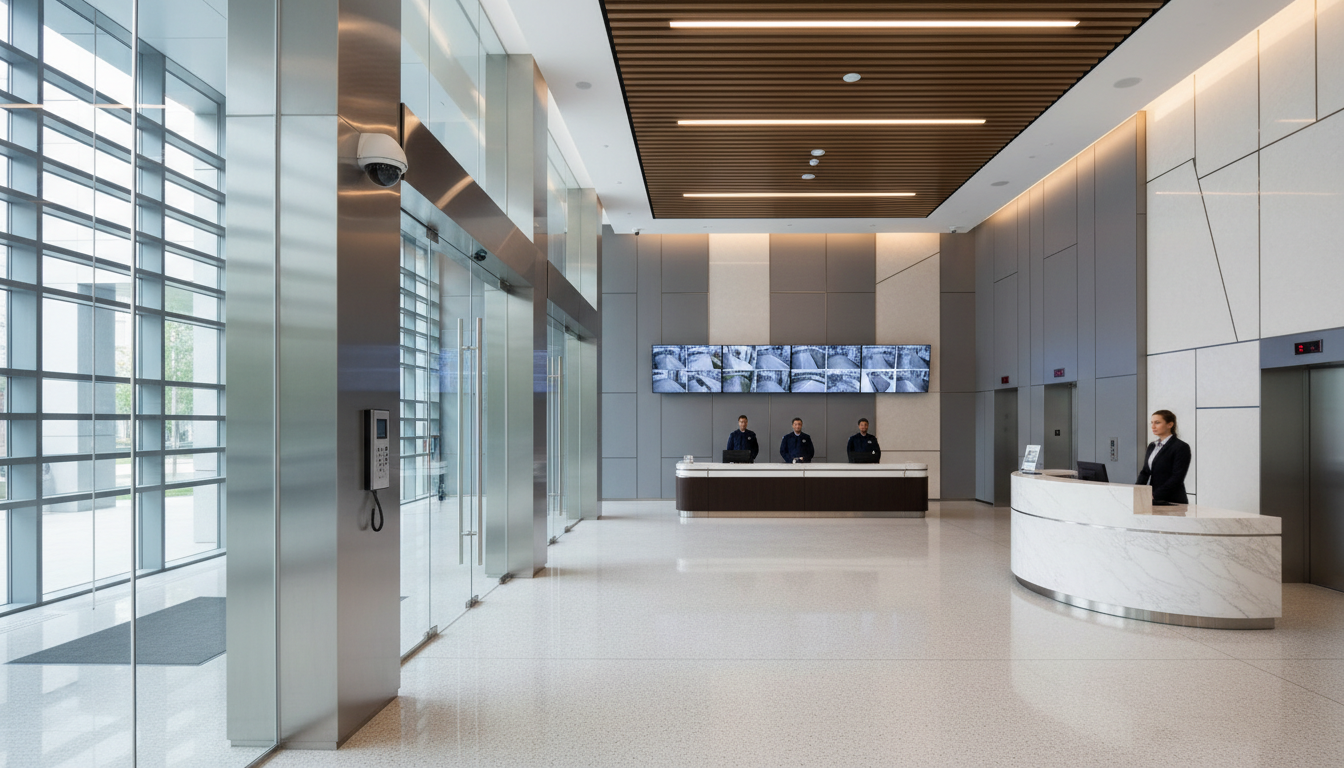
Security technologies are also enhancing the safety of assisted living facilities. Advanced surveillance systems, coupled with facial recognition and biometric access controls, ensure that only authorized individuals can enter certain areas. This level of security provides peace of mind to both residents and their families.
Additionally, emergency response systems have been upgraded with technology that allows for faster and more efficient alerts. Residents can easily call for help with wearable panic buttons or integrated smart home systems, ensuring prompt responses during emergencies.
Social Connectivity and Engagement
Technology also plays a vital role in keeping residents socially connected. Video conferencing tools and social media platforms allow residents to maintain relationships with family and friends, combating feelings of isolation. Virtual events and activities organized through these platforms provide opportunities for engagement and community building.
Furthermore, interactive apps and games designed specifically for seniors help in cognitive stimulation and provide entertainment, promoting mental health and well-being.
The Future of Assisted Living
As technology continues to evolve, the future of assisted living facilities looks promising. Innovations like artificial intelligence and robotics are on the horizon, promising even more personalized and efficient care. The integration of these technologies will likely lead to even greater autonomy and improved quality of life for residents.

In conclusion, the fusion of technology with assisted living is transforming these facilities into dynamic environments that cater to the diverse needs of their residents. By embracing these innovations, assisted living facilities can provide a higher standard of care and a more enriching lifestyle for their communities.