How Technology Integration Enhances Quality of Life in Assisted Living

Introduction to Technology Integration in Assisted Living
The integration of technology in assisted living facilities has become a pivotal factor in enhancing the quality of life for residents. As the demand for more efficient and personalized care grows, technological advancements provide solutions that improve safety, health monitoring, and social engagement. These innovations not only assist the elderly in maintaining independence but also offer peace of mind to their families.
Enhancing Safety and Security
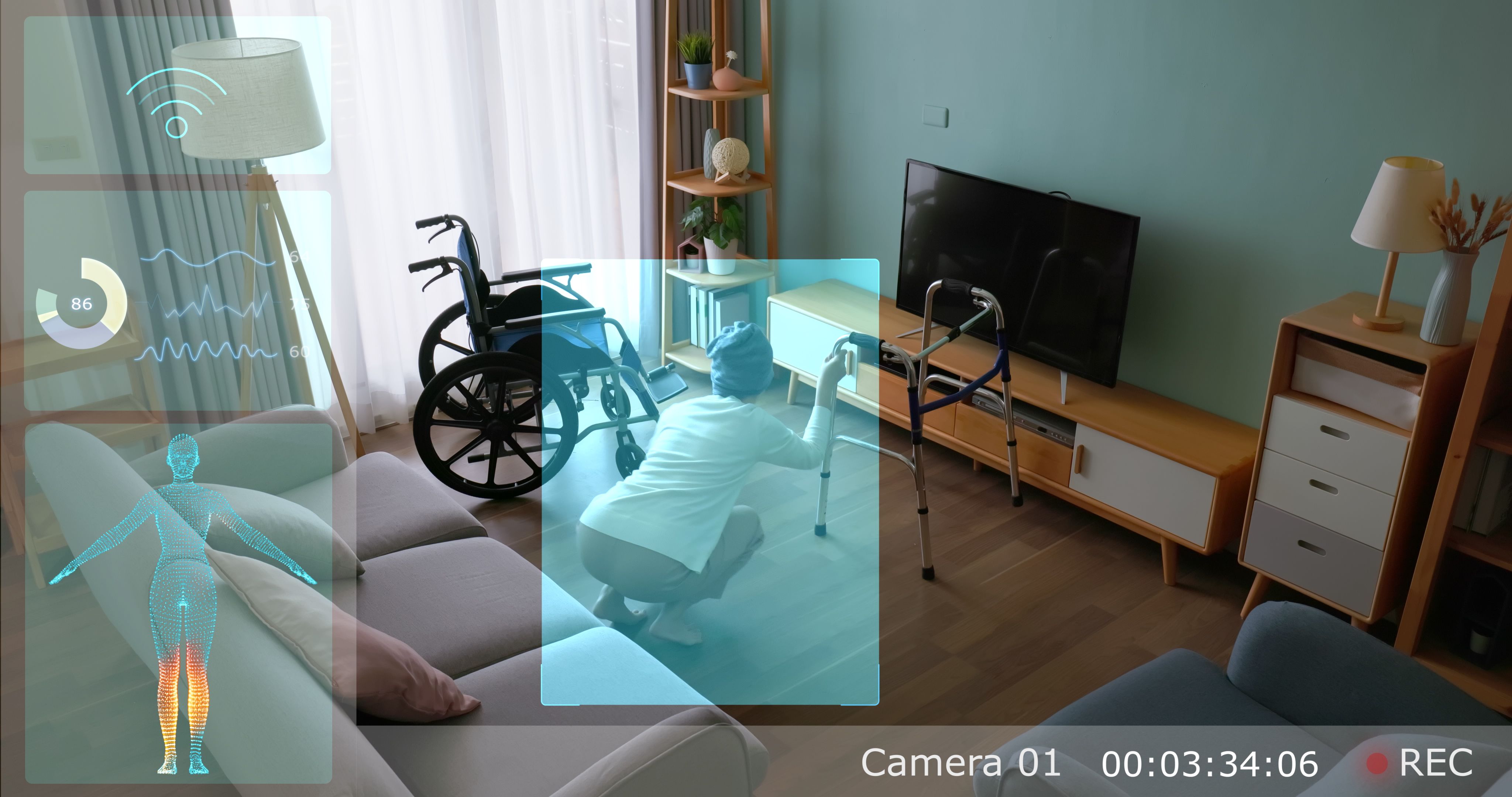
One of the primary concerns in assisted living is the safety and security of residents. Technology plays a crucial role in addressing these issues. Modern facilities now utilize advanced surveillance systems, such as motion sensors and real-time monitoring, to ensure resident safety. Additionally, wearable devices alert staff instantly if a resident falls or requires urgent assistance, thereby significantly reducing response times.

Smart Home Features
Smart home technology is increasingly being integrated into assisted living. Automated lighting, smart thermostats, and voice-activated assistants create a more comfortable and convenient environment for residents. These features not only enhance daily living but also empower seniors to manage their surroundings without needing constant assistance.
Health Monitoring and Management
Technology has revolutionized health monitoring within assisted living facilities. Wearable health devices track vital signs such as heart rate, blood pressure, and oxygen levels. This real-time data allows healthcare providers to monitor residents' conditions continuously and adjust care plans as necessary, leading to improved health outcomes.
Telemedicine Services
Telemedicine has become an invaluable tool in assisted living communities. It provides residents with access to healthcare professionals without needing to leave the facility. This is particularly beneficial for those with mobility issues or chronic conditions that require regular consultations. Virtual appointments not only save time but also reduce the risk of exposure to illnesses.
Promoting Social Engagement
Social interaction is vital for mental health and overall well-being. Technology facilitates communication by connecting residents with family and friends through video calls and social media platforms. These connections help combat feelings of isolation and loneliness, which are common concerns in assisted living environments.

Community Building Through Technology
Beyond personal connections, technology also supports community building within assisted living facilities. Virtual events, online games, and interactive activities bring residents together, fostering a sense of belonging and community spirit. These activities can lead to new friendships and enrich the residents' daily experiences.
Conclusion: The Future of Assisted Living
As technology continues to evolve, its integration within assisted living will likely expand further, offering even more innovative solutions to enhance residents' quality of life. By embracing these advancements, assisted living facilities can provide a safer, healthier, and more engaging environment for seniors, ensuring they enjoy their golden years to the fullest.