Engage and Thrive: The Importance of Social Activities in Assisted Living


The Value of Social Engagement
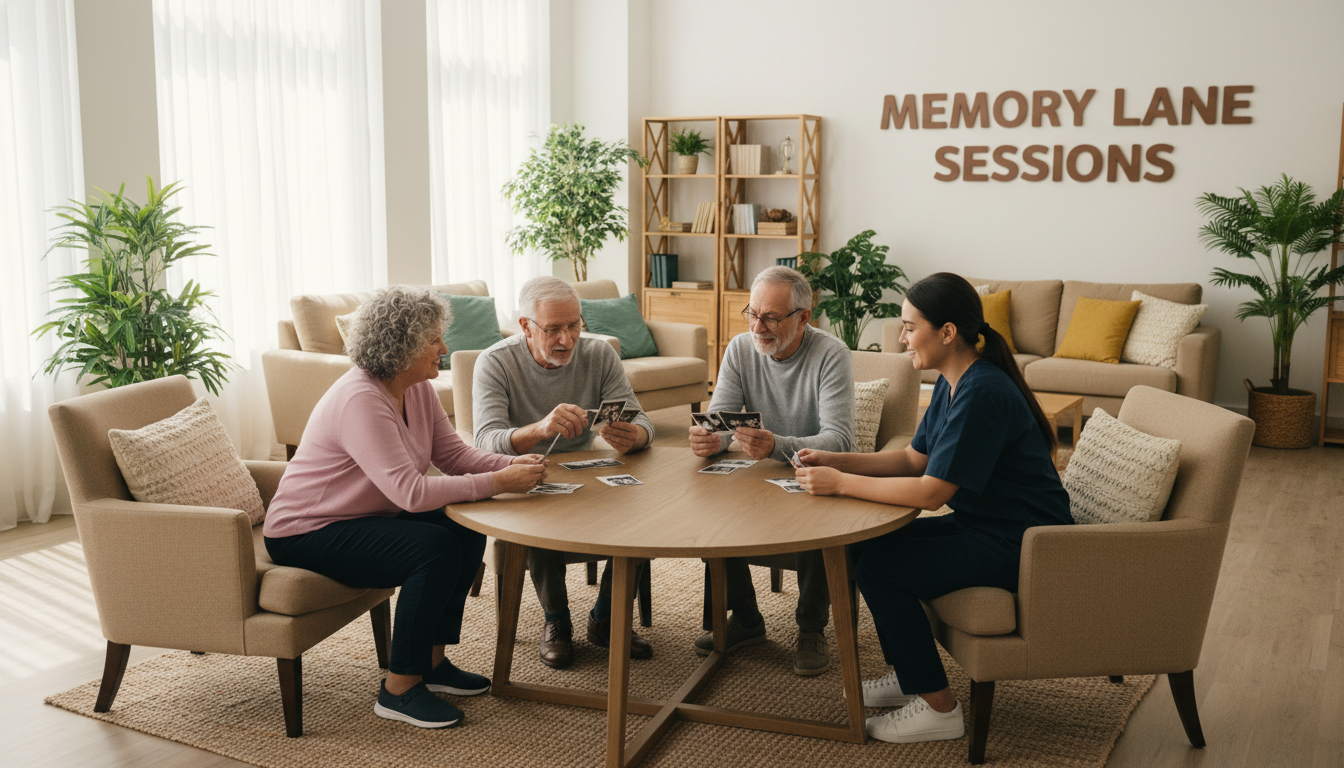
Social activities are crucial for residents in assisted living communities. They provide a sense of belonging, enhance mental health, and improve the overall quality of life. Through engaging activities, residents can form meaningful connections and stay mentally and physically active.
Participating in social activities can significantly reduce feelings of isolation and loneliness. These experiences foster friendships and create a supportive community environment, which is essential for emotional well-being.
Types of Social Activities
Assisted living communities offer a wide range of activities to cater to different interests and abilities. Here are some popular options:
- Group Exercise Classes: Yoga, tai chi, and other low-impact exercises help maintain physical health while encouraging social interaction.
- Art and Craft Workshops: These activities stimulate creativity and provide a platform for self-expression.
- Music and Dance Events: From live performances to group dances, music brings people together in joyful celebration.
Such activities not only entertain but also offer therapeutic benefits, enhancing cognitive function and emotional health.

The Role of Staff in Facilitating Social Interaction
The staff in assisted living facilities play a pivotal role in organizing and facilitating these activities. They ensure that all residents have the opportunity to participate and feel included.
By understanding the unique interests and needs of each resident, caregivers can tailor activities to maximize engagement and enjoyment. This personalized approach fosters a sense of community and belonging.
Benefits of Staying Active
Engaging in regular social activities has numerous benefits, including:
- Improved Mental Health: Social interactions can reduce depression and anxiety, boosting overall happiness.
- Enhanced Cognitive Function: Activities that challenge the mind help maintain cognitive abilities.
- Physical Health Benefits: Staying active promotes better physical health, reducing the risk of chronic illnesses.

Overcoming Challenges
While the benefits are clear, some residents may face barriers to participation, such as mobility issues or social anxiety. It's important for staff and family members to encourage and support these individuals in finding activities that suit their comfort levels and interests.
Offering a wide variety of options and providing gentle encouragement can help overcome these challenges, ensuring that everyone has the opportunity to thrive.
Conclusion
Social activities in assisted living communities are more than just pastimes; they are vital for ensuring residents lead fulfilling and vibrant lives. By fostering an environment of engagement, these communities not only enhance the well-being of their residents but also create a dynamic and supportive atmosphere where everyone can thrive.