Debunking Common Myths About Assisted Living Facilities


Myth 1: Assisted Living Facilities Are the Same as Nursing Homes
One of the most common misconceptions is that assisted living facilities are the same as nursing homes. While both provide care, they serve different purposes. Assisted living facilities focus on providing residents with a balance of independence and support. They offer assistance with daily activities like bathing, dressing, and medication management while allowing residents to maintain their autonomy.
In contrast, nursing homes are designed for individuals who require 24/7 medical care and supervision. Understanding this distinction helps families make informed decisions about the level of care their loved ones need.

Myth 2: Residents Lose Their Independence
Another prevalent myth is that moving to an assisted living facility means losing independence. In reality, these facilities are designed to enhance independence by providing support where needed. Residents can enjoy private apartments, participate in activities, and come and go as they please while having access to assistance if required.
The goal of assisted living is to empower residents to live life on their terms while offering peace of mind that help is available when needed.

Myth 3: Assisted Living Is Only for the Elderly
While it's true that many residents are seniors, assisted living is not exclusively for the elderly. These facilities cater to anyone who needs assistance with daily living activities, regardless of age. This includes younger individuals with disabilities or chronic health conditions who benefit from the supportive environment.
Understanding this can broaden the perception of assisted living and open opportunities for individuals who might otherwise overlook these valuable resources.

Myth 4: Assisted Living Facilities Are Too Expensive
Cost is often a concern, leading to the belief that assisted living facilities are prohibitively expensive. However, when considering the comprehensive services, including meals, housekeeping, and healthcare support, the cost is often comparable to living independently with similar services.
Additionally, many facilities offer various pricing structures and financial assistance options, making assisted living more accessible than one might assume.

Myth 5: Residents Have Limited Social Opportunities
Some people worry that moving to an assisted living facility will lead to social isolation. On the contrary, these facilities are vibrant communities that offer numerous social activities, events, and clubs. Residents are encouraged to engage with peers, fostering friendships and a sense of belonging.
With a wide range of activities available, from art classes to fitness programs, residents can pursue their interests and stay active both mentally and physically.

Myth 6: Quality of Care Is Inferior
The assumption that assisted living facilities provide subpar care is unfounded. In reality, these facilities are staffed with trained professionals committed to delivering high-quality care. Regular assessments ensure that each resident's needs are met, and personalized care plans are developed to maintain or improve health and well-being.
By choosing a reputable facility and staying involved in the care process, families can ensure their loved ones receive the attention and support they deserve.

Myth 7: Assisted Living Facilities Lack Privacy
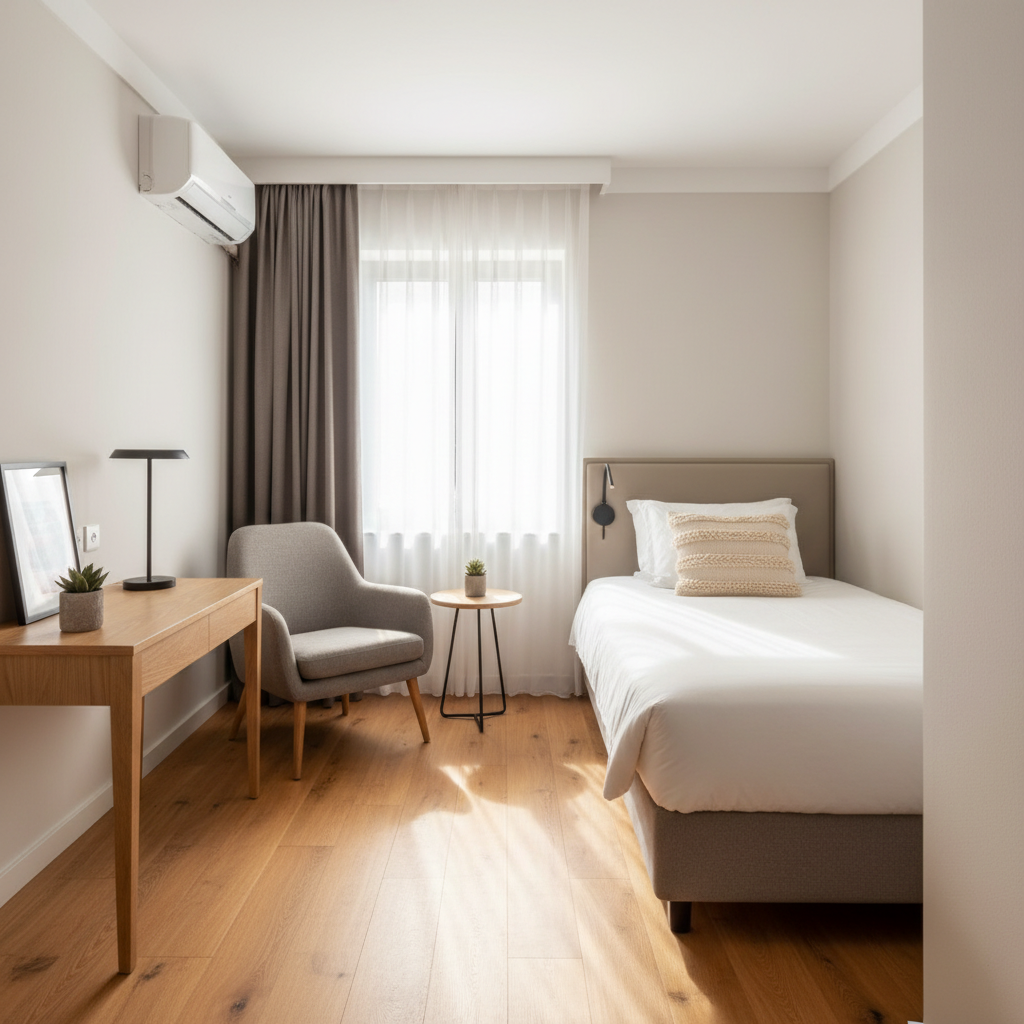
Concerns about privacy often deter people from considering assisted living. However, many facilities offer private apartments or rooms, allowing residents to maintain their personal space. Residents can decorate their living spaces as they wish, creating a home-like environment.
Facilities respect residents' privacy while providing necessary support, striking a balance between independence and care.
Conclusion
Debunking these myths about assisted living facilities is crucial to making informed decisions about care options. By understanding the truth behind these misconceptions, families can explore assisted living as a viable and beneficial option for their loved ones. It's a choice that can enhance quality of life, provide peace of mind, and offer a supportive community for those who need it.