Case Study: Successful Physical Therapy Outcomes in Scottsdale Assisted Living

Introduction to Physical Therapy in Assisted Living
Physical therapy plays a crucial role in enhancing the quality of life for residents in assisted living facilities. In Scottsdale, a focus on personalized therapy programs has led to remarkable outcomes. This case study explores the successful implementation and results of these programs.
The Importance of Tailored Therapy Programs
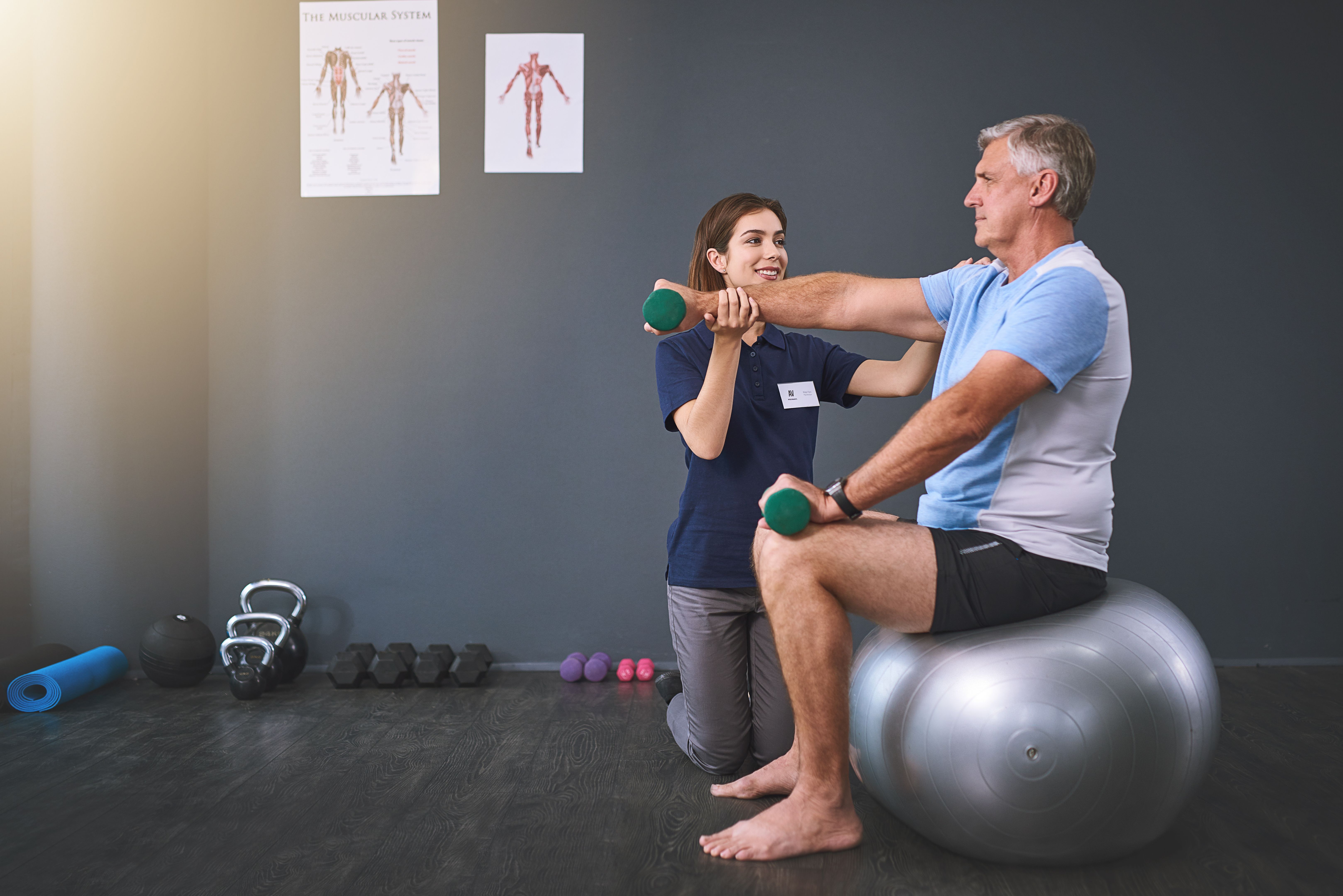
Each resident in an assisted living facility has unique needs. By tailoring physical therapy programs to individual requirements, therapists can address specific health challenges effectively. Personalized programs help in improving mobility, reducing pain, and enhancing overall well-being.
In Scottsdale, therapists conduct thorough assessments to identify each resident’s needs. This approach ensures that therapy sessions are both effective and engaging.
Key Components of the Therapy Program
Several components contribute to the success of physical therapy programs in assisted living:
- Individualized Assessments: Understanding each resident’s physical capabilities and limitations.
- Regular Monitoring: Keeping track of progress and making necessary adjustments.
- Holistic Approach: Incorporating exercises that support mental and emotional health as well.

Success Stories from Scottsdale
The results of these personalized programs have been impressive. Many residents have reported significant improvements in mobility and a decrease in chronic pain. For instance, a resident who struggled with arthritis experienced reduced pain and increased joint flexibility after a few months of therapy.
Another success story involves a resident recovering from a stroke. Through consistent therapy, they regained strength and improved their ability to perform daily activities independently.
Role of Family and Community
Family involvement and community support are vital in the rehabilitation process. In Scottsdale, family members are encouraged to participate in therapy sessions, fostering a supportive environment that enhances motivation and recovery.

Challenges and Solutions
While the outcomes have been positive, challenges like limited resources and varying levels of resident engagement exist. Scottsdale facilities have addressed these by incorporating technology and innovative therapy methods, such as virtual reality exercises and group therapy sessions.
These solutions not only make therapy more accessible but also more enjoyable for residents, increasing their participation and dedication.
Conclusion: A Model for Success
The success of physical therapy programs in Scottsdale’s assisted living facilities serves as a model for others. By focusing on individualized care and involving family and community, these programs have significantly improved residents' quality of life. Such initiatives highlight the potential for physical therapy to transform lives in assisted living settings.